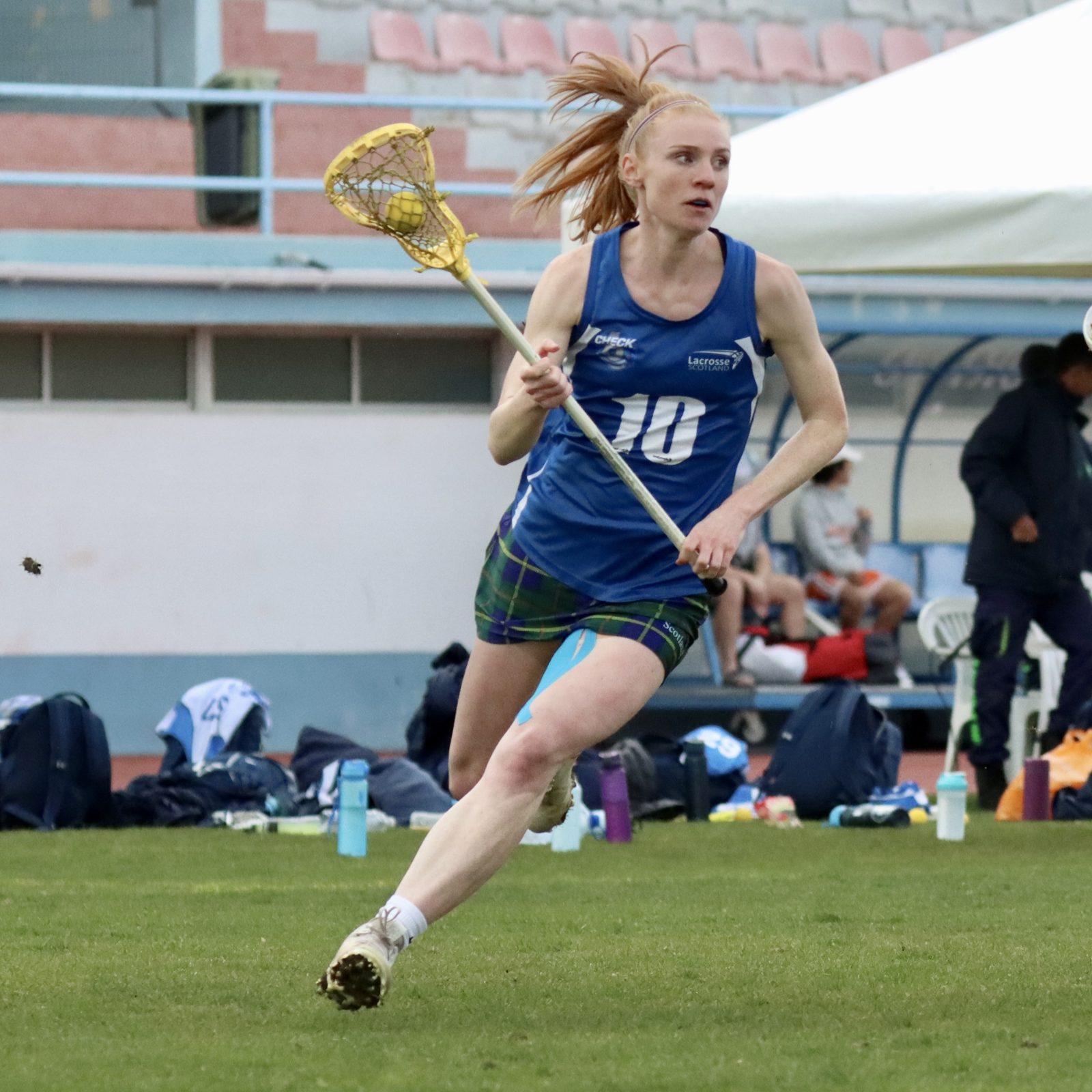
I was a GB lacrosse player with a sports science degree and I still missed RED-S in myself. That’s how good it is at hiding behind “normal athlete stuff”.
What RED-S is
Relative Energy Deficiency in Sport (RED-S) is the term the International Olympic Committee uses for the cluster of health and performance problems that come from low energy availability: not eating enough to cover training plus everything else the body has to do. It replaced the older “female athlete triad” (disordered eating, amenorrhoea, low bone density) because the triad was too narrow. RED-S affects men too, and it affects far more systems than bones and periods.
The signs I look for
Not every athlete has every sign, and plenty of these have other causes. But if you tick several, energy availability needs looking at.
Health
- Missing or irregular periods, or a cycle that disappeared when training ramped up
- Stress fractures or bone stress injuries, especially recurrent ones
- Getting every cold going; wounds and niggles that won’t heal
- Feeling cold all the time, low resting heart rate, dizziness on standing
- Gut problems: bloating, constipation, feeling full quickly
- Low libido
- Poor sleep despite being exhausted
- Low mood, anxiety, irritability, or an obsession with food and training that’s crept up on you
Performance
- Plateaued or declining performance despite training harder
- Poor recovery between sessions, heavy legs that never go away
- Reduced strength and power, loss of top-end speed
- Reduced training response: you’re putting in the work and not adapting
- Worse coordination and concentration, more mistakes late in games
Why the period matters most
In women, the menstrual cycle is the most visible and earliest signal of energy status. Losing it means oestrogen has dropped, and oestrogen is what protects bone, blood vessels, mood and recovery. Peak bone mass is largely built by your mid-twenties; months or years without a cycle during that window is bone you may never fully get back.
So when a coach or a clinician says “it’s normal for athletes to lose their period”, please hear this: it is common. It is not normal, and it is not a sign of fitness.
Men get this too
Without a cycle to flag it, male athletes often slide further before anyone notices. Low testosterone, low libido, repeated bone injuries, and that same flat, unrecovered feeling are the equivalent warning signs.
What to do
- Get screened. A proper assessment looks at intake, training load, cycle history, injury history, bloods and bone health where indicated.
- Fix the energy gap. More food, better timed around training, and sometimes a short-term reduction in load. This is where a nutritionist earns their keep, because “eat more” needs numbers and a plan.
- Bring the team in. Coaches and parents who understand RED-S stop reinforcing the behaviours that cause it.
I screen every female athlete I work with for RED-S as standard, and I run sessions for clubs, schools and teams on exactly this. If anything on this list sounds like you or an athlete you coach, let’s talk.
Not sure where to start?
Book a free 15-minute discovery call and we'll work out whether 1-1 support or The Period Programme is right for you.
This article is general information and not a substitute for individual medical advice. If you've been missing periods, see your GP to rule out other causes.